
Backyard Liability Risks: What Homeowners Should Know
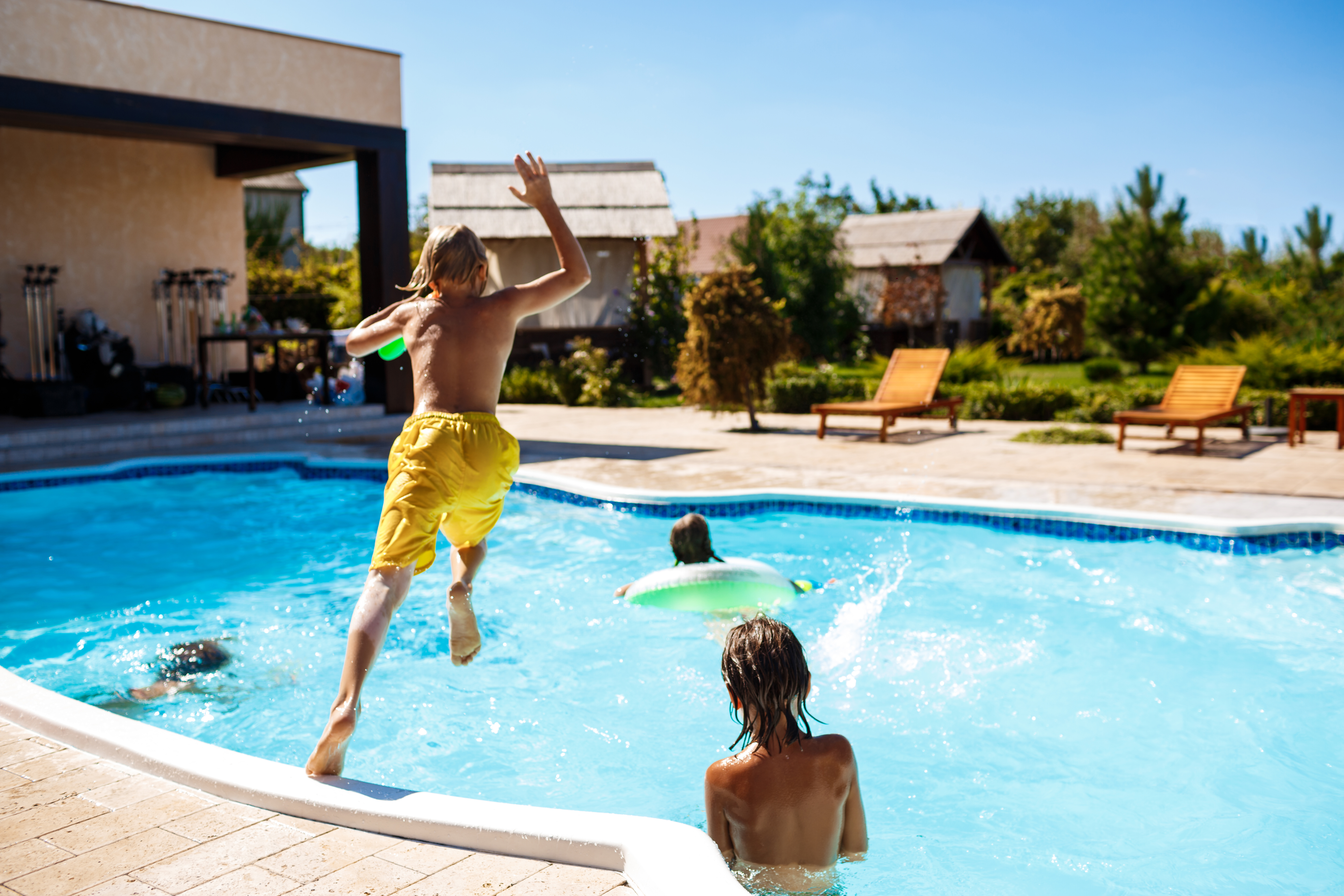
Summer invites outdoor fun, from family barbecues to afternoons spent enjoying backyard amenities. For many homeowners, that includes upgrading their outdoor spaces with popular additions like pools, trampolines, and play structures. While these features add excitement and convenience, they also introduce potential liability concerns that every homeowner should understand.
Knowing how liability coverage works, recognizing the risks posed by certain backyard features, and taking proactive safety steps can help protect your property and your peace of mind. By understanding concepts such as the “attractive nuisance” rule, reviewing your policy, and documenting your safety efforts, you can create a safer environment for guests and reduce your financial exposure.
How Homeowners Liability Insurance Helps Protect You
Most homeowners insurance policies include personal liability protection. This coverage can help safeguard you financially if someone is injured on your property and you are legally responsible. It often applies to medical costs, legal representation, and potential settlements resulting from a claim.
The Insurance Information Institute notes that liability protection typically begins around $100,000, but many homeowners choose higher limits to increase their financial security. Backyard additions like pools, play equipment, and trampolines can heighten the chance of injury, making strong liability coverage even more important.
However, insurance cannot replace responsible maintenance and safety practices. Insurers generally expect homeowners to take reasonable preventive measures. If you fail to maintain safe conditions, it could affect the outcome of a claim.
The Role of the “Attractive Nuisance” Concept
One legal principle that frequently applies to backyard features is called an “attractive nuisance.” This term describes an object or condition that may draw children in but also presents a danger.
Common examples include:
- Swimming pools
- Trampolines
- Treehouses
- Play sets or swing structures
Children may wander onto a property to play on these features—even without permission. Because young children may not grasp the hazards involved, homeowners are often assigned greater responsibility to take protective measures.
For example, many cities and insurance carriers require specific safety steps, such as fencing around pools, gated enclosures, or locking covers. These barriers reduce accidents and show that the homeowner has taken reasonable precautions.
Coverage Requirements and Where Gaps Can Occur
Backyard additions can come with unique requirements from insurers, and some may even carry exclusions. Understanding these expectations is essential to keeping your coverage intact.
Pools are one feature frequently subject to safety mandates. Insurers often require pools to be surrounded by secure fencing with a gate that closes and latches on its own. If those features are missing, a claim involving a pool injury could be denied.
Trampolines can also raise concerns. Some insurance companies require full safety net enclosures, while others exclude trampoline-related liability altogether.
Play equipment is another potential risk if it is not properly anchored or maintained. Following installation instructions and performing routine upkeep can help prevent injury and reduce liability exposure.
Because coverage varies widely by policy, reviewing your homeowners insurance with a professional can help you understand restrictions, verify safety conditions, and confirm that your liability limits are sufficient.
Smart Ways To Reduce Backyard Risks
Even with liability coverage, prioritizing accident prevention is the best approach. Fortunately, homeowners can take several practical steps to promote a safer outdoor environment.
Start by installing appropriate protective barriers. Pool fencing, safety nets for trampolines, and stable play structures all provide essential safeguards. Gates that lock automatically are especially effective in limiting access when adults are not present.
Routine inspections are equally important. Outdoor equipment naturally deteriorates over time due to weather conditions and frequent use. Checking for worn surfaces, loose bolts, tears in netting, rusted hardware, or unsteady components can help prevent incidents.
Posting simple reminders, such as pool rules or depth markers, encourages guests to use equipment responsibly.
Above all, active supervision—especially around pools and trampolines—remains one of the best ways to prevent injuries. Keeping a close watch on children and guests can stop many accidents before they occur.
Why Documentation Matters
An often overlooked step in backyard safety is recordkeeping. If a liability claim arises, documentation can help demonstrate that you took reasonable steps to ensure a safe environment.
Helpful items to track include:
- Photos of safety barriers and protective equipment
- Maintenance records for all outdoor structures
- Receipts for repairs, upgrades, or replacements
- Notes from regular inspections
These records cannot eliminate liability, but they can support your case by showing that you acted responsibly and maintained the property properly.
A Simple Safety Checklist for Homeowners
Before enjoying a full season of outdoor activities, reviewing a quick safety checklist can ensure your backyard is ready:
- Install required fences, gates, or protective enclosures around pools and other high-risk features
- Confirm that gates close and latch automatically
- Inspect trampolines, play structures, and other equipment regularly
- Repair damaged or worn parts as soon as possible
- Keep records of maintenance and safety improvements
- Review your homeowners policy for exclusions and liability limits
These small efforts can significantly reduce injury risks and help safeguard your household financially.
Protecting Your Home and Peace of Mind
Pools, trampolines, and other backyard additions bring families together and create memorable summer moments. With the right safety measures and solid insurance protection, you can enjoy these features while limiting potential risks.
If you’re uncertain whether your current homeowners insurance fully covers these backyard amenities, a conversation with an insurance professional can provide clarity. Reviewing your coverage can help identify gaps, confirm required safety steps, and ensure your liability protection is aligned with your needs.
If you would like help evaluating your homeowners policy or understanding your liability risks, reach out today. A short discussion can help ensure your backyard fun stays safe and worry-free.