
Why home replacement cost can differ from market value in Southern California
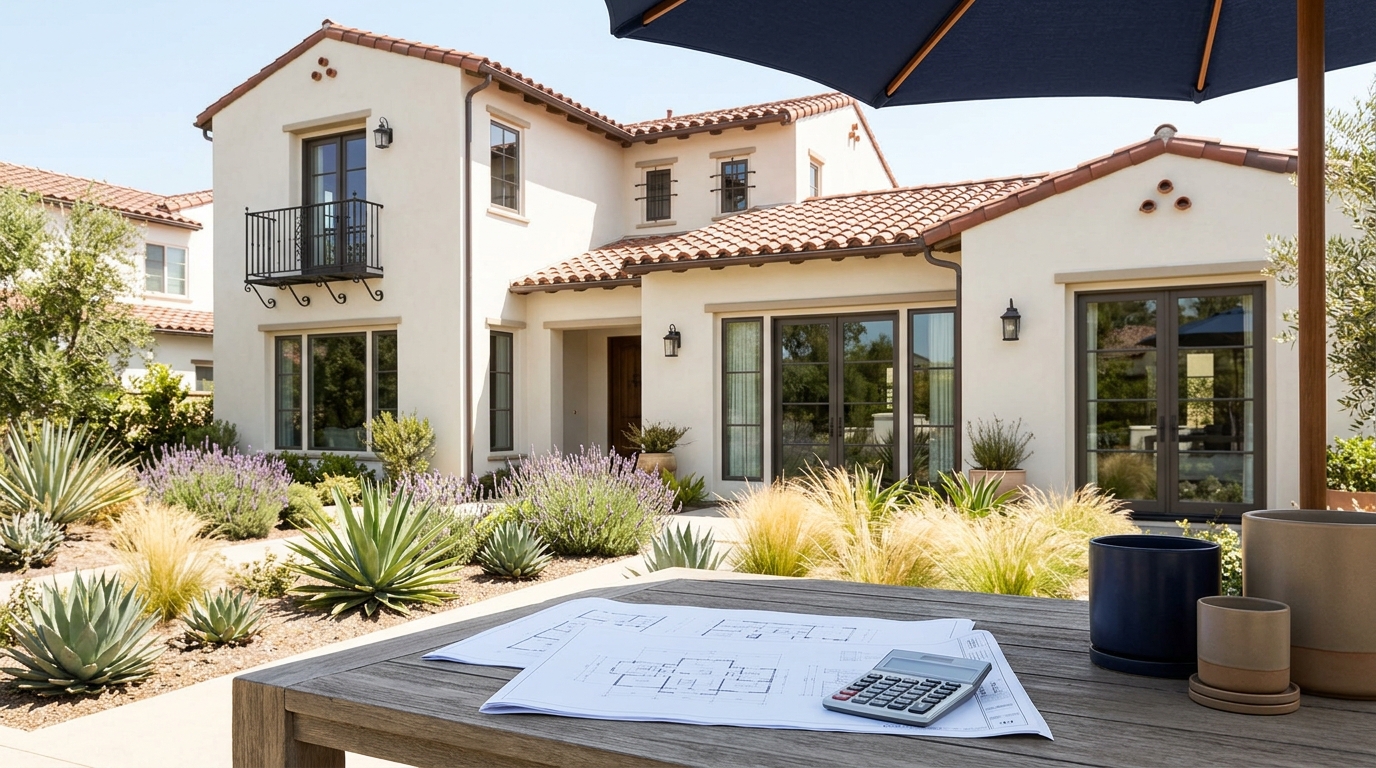
Your home’s market value and its rebuild cost are not the same. Market value reflects what a buyer may pay for the property, while rebuild cost is the estimated expense of repairing or reconstructing the home after a covered loss. For homeowners in La Mesa and throughout San Diego County, understanding this distinction is an important part of reviewing home insurance replacement cost and dwelling limits.
Rebuild cost can change over time as labor, materials, building standards, and local construction conditions evolve. A periodic insurance review can help you assess whether your policy information still reflects your home and the protection you want for your family.
What Market Value Represents
Market value is the price a property may command in the current real estate market. It can be influenced by the neighborhood, lot size, school district, views, nearby amenities, buyer demand, and broader housing trends. In the San Diego area, land value alone can be a significant part of a home’s market price.
Those factors matter when buying or selling a home, but they do not necessarily determine the cost to rebuild its physical structure. A desirable location may increase a property’s market value without increasing the amount of lumber, roofing, labor, or specialized work needed to reconstruct the house.
What Rebuild Cost Represents
Rebuild cost, sometimes called replacement cost for the dwelling, is an estimate of what it could take to repair or rebuild the home’s structure using materials and construction methods of similar kind and quality. It is focused on the building itself rather than the price of the land or the home’s resale value.
When reviewing a La Mesa home insurance policy, the dwelling limit is a central figure because it is generally intended to relate to the insured structure. The appropriate limit is not determined simply by a recent purchase price, online home-value estimate, or county assessment.
Labor and Materials Affect Reconstruction
Construction costs can shift independently from local home prices. Skilled labor availability, contractor demand, supply-chain conditions, transportation expenses, and the cost of materials may all affect rebuilding work. Lumber, concrete, roofing products, windows, electrical components, plumbing fixtures, and finishes can change in price over time.
After a widespread event, demand for qualified contractors and materials may also be higher in an affected area. Local construction conditions in La Mesa and the broader San Diego region should be considered as part of a thoughtful dwelling-limit review, rather than relying only on a home’s market price.
Debris Removal Is Part of the Bigger Picture
Before reconstruction can begin, a damaged site may need to be cleared. Demolition, hauling, disposal, site preparation, and related work can add to the overall cost of recovering from a major property loss. The amount involved depends on the extent of damage, the type of construction, access to the property, and applicable local requirements.
Insurance policies can address debris removal differently, including through separate limits, additional coverage, or conditions stated in the policy. Reviewing the policy details with an insurance professional can help homeowners understand how this component fits within their overall protection.
Building Codes May Change Over Time
A home built years ago may not meet every current building requirement if substantial repair or reconstruction becomes necessary. Local codes can affect electrical systems, plumbing, roofing, insulation, fire-safety features, energy-efficiency standards, and other elements of construction.
Some policies may include, limit, or offer options related to increased costs caused by enforcing building ordinances or laws. This is often referred to as ordinance or law coverage. It is important to review the available options carefully, because policy terms, endorsements, eligibility, and limits vary. Forthright Insurance can help explain these choices in clear, practical language without making assumptions about what a policy will cover.
Home Features Can Increase Rebuild Cost
A rebuild estimate should reflect the actual characteristics of the home. Square footage is important, but it is only one part of the picture. Features that may affect reconstruction costs include:
- Custom cabinetry, built-in shelving, and specialty millwork
- Higher-end flooring, countertops, tile, and finishes
- Updated kitchens, bathrooms, windows, roofs, or HVAC systems
- Solar equipment, smart-home technology, and specialized electrical work
- Detached garages, guest structures, retaining walls, and other improvements
- Architectural details, unique layouts, or older construction that requires specialized craftsmanship
Home improvements are a common reason to revisit dwelling coverage. Renovations can improve daily life and may also change the information needed to evaluate replacement cost. Keeping records, receipts, photos, and contractor documentation can make future reviews more productive.
Why Dwelling Limits Deserve Periodic Review
A dwelling limit that was reasonable when a policy began may need attention later. Homeowners may remodel, add living space, replace major systems, or make upgrades that change rebuilding considerations. Construction costs and local code requirements may also evolve even when no work has been completed on the property.
A periodic review does not guarantee that every future expense will be covered. However, it gives homeowners an opportunity to confirm property details, discuss changes, understand available insurance solutions, and consider whether their current policy continues to align with their circumstances.
Forthright Insurance Services recommends reviewing home insurance after significant improvements, a change in ownership or occupancy, or other material changes to the property. An annual conversation can also be a sensible way to keep the discussion current.
How an Independent Agency Can Help
As an independent La Mesa insurance agency, Forthright Insurance Services can help clients evaluate home insurance options from more than one perspective. Our role is to ask focused questions about the home, explain relevant policy features, and help clients compare available choices based on their priorities.
For families with assets to protect, the conversation may also include how home coverage coordinates with auto insurance and umbrella insurance. The goal is not to apply a one-size-fits-all formula. It is to help each client pursue personalized coverage and tailored insurance solutions that fit their household, property, and broader risk profile.
Clear information supports better decisions. Forthright Insurance works to make insurance services understandable, so clients can review options with confidence and ask informed questions before selecting coverage.
A Practical Homeowner Checklist
Use this checklist before your next home insurance review:
- Confirm the home’s square footage, construction type, roof age, and major systems.
- List renovations, additions, and upgrades completed since the policy was issued or last reviewed.
- Document custom features, higher-value finishes, detached structures, and exterior improvements.
- Keep photos, receipts, permits, and contractor records in a secure location.
- Ask how the policy addresses replacement cost, debris removal, and building-code-related costs.
- Review the dwelling limit and any applicable endorsements or sublimits.
- Discuss whether changes to your home, household, assets, or other policies warrant a broader review.
FAQ
Is market value the same as home insurance replacement cost?
No. Market value reflects what a buyer may pay for the property, including factors such as land, location, and local demand. Home insurance replacement cost is generally intended to estimate the cost of repairing or rebuilding the home’s structure with similar materials and quality.
Why might my rebuild cost differ from my purchase price?
A purchase price may reflect land value, market conditions, and neighborhood desirability. Rebuild cost is shaped by construction labor, materials, demolition and debris removal, design features, code requirements, and local building conditions.
When should I review my dwelling limit?
Consider a review after renovations, additions, significant upgrades, changes to detached structures, or major changes in local construction costs. Many homeowners also benefit from reviewing their policy annually.
Do building-code upgrades affect home insurance?
They can. If rebuilding must comply with newer codes, the cost of reconstruction may increase. Policy treatment for these expenses varies, so it is important to review the applicable terms, limits, and available options with an insurance professional.
Can Forthright Insurance help me compare home insurance options?
Yes. Forthright Insurance Services can provide a personalized review of your home, current policy information, and available coverage options. We can help you understand key considerations and compare choices without promising a specific outcome or coverage result.
If you would like to discuss your home insurance replacement cost, rebuild cost, or dwelling limit, contact Forthright Insurance Services at (619) 313-4004 or visit us at 4730 Palm Avenue, Ste 201, La Mesa, CA 91941. Our team is available to provide a clear, personalized review for your La Mesa or San Diego-area home.